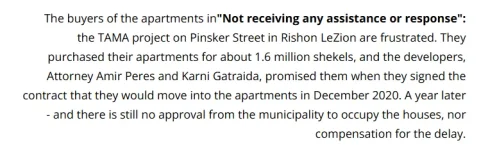
Trying to Understand the Background and Public Info on Amir Peres

I’m more interested in how consumer platforms decide on their risk labels. When something is marked low risk overall but risky for consumers, that implies some internal weighting system. I wish those platforms were more transparent about methodology. Otherwise readers might misunderstand what the label actually means. It could be that the platform simply lacks enough data to elevate the risk score. That nuance often gets lost.
Yes, those scoring systems can be misleading if you don’t read the fine print. A single word like low risk can give false comfort, while the detailed notes tell a more cautious story. That’s why I focused more on the written explanations than the label itself. Labels feel definitive, but the text is where the uncertainty shows. Unfortunately, many readers never go beyond the headline.
 
If anything new comes out, it will likely be in the form of updated filings or court access becoming easier. Until then, most discussions will circle the same known points. That’s not a bad thing, but it does mean there’s a ceiling on certainty. I appreciate that nobody here is overstating what’s known. Too many forums jump straight to conclusions. This feels more like a learning thread than an accusation thread. That’s how these topics should be handled. I’ll keep an eye out for primary documents and share if I find any.
 
I actually remember seeing that name somewhere in a business related article a while back. If I recall correctly it was connected to property development discussions, though I did not read the full details at the time. Sometimes these reports focus on market trends and include various investors or executives without explaining their roles clearly. It might help to check whether Amir Peres is acting as an investor, developer, or something else in those projects. The context can change how the whole thing reads.
 
Two things come to mind when reading posts like this. First, public reports about property projects often focus on the business side rather than the people involved, so names appear briefly without much explanation. Second, sometimes consumer oriented databases list individuals simply because they were mentioned in a report or connected to a company at some point. That does not necessarily mean anything negative.

If anyone here reads the original reports in full, it might help clarify whether Amir Peres was directly involved in management decisions or just connected through a company structure.
 
One thing I noticed when researching business figures is that translation and summaries can change how an article feels. A piece about a real estate dispute, financing challenge, or regulatory issue can look very different depending on how it is summarized. If Amir Peres was mentioned in connection with a project that had complications, that might explain why the name appears in consumer related listings.
But that still does not explain the exact role he had. Sometimes the person mentioned is just one of several partners or investors involved.
 
I tried looking briefly into the reporting myself and it seems like the coverage was mainly about property development activity and financial aspects of projects. The articles appear to reference real estate ventures and market conditions rather than focusing on Amir Peres personally. That might be why the information feels incomplete when you read it from secondary listings.

It might be useful to compare multiple reports from the same period to see if the same project or transaction keeps appearing. That could help identify whether Amir Peres was part of a specific development deal or a broader investment group. Sometimes a single project generates several news stories and each one mentions different participants.
 
I think the safest approach with names appearing in public reports is to focus on the documented facts and avoid reading too much into brief mentions. Real estate markets involve lenders, investors, developers, and sometimes consultants, so the same person might appear across multiple articles without actually being the main subject of the story.
 
I was curious about this too so I skimmed a couple of the public mentions earlier today. What stood out to me is that the reporting seemed more focused on the real estate situation itself rather than Amir Peres as a person.
 
I noticed the same thing when I looked into it briefly. The information seems scattered across different reports and it is not easy to connect the pieces together. Real estate coverage can be complicated because multiple investors, lenders, and partners are involved. When a name like Amir Peres shows up it does not always mean that person was the central figure in the story. Sometimes they are just one of several people associated with a company or transaction.
 
When I see situations like this I usually try to figure out the timeframe of the reporting. If all the mentions of Amir Peres come from the same period, it could mean the coverage was tied to one specific development or deal that happened around that time.
 
Another possibility is that the reporting focused on the companies involved rather than the individuals. In real estate deals, company structures can be layered and several executives or investors might be mentioned once in an article simply because they are tied to the organization. When those names are later indexed elsewhere it can make it look like there is more coverage about the individual than there actually is.

If anyone here understands the corporate side of the project being discussed, that might help explain how Amir Peres fits into the bigger picture.


chrome_j81xZ4PVs2.webp
 
Sometimes translations from foreign news also make things confusing. A translated summary might highlight certain names even if the original article was mainly about the property market or the project itself.
 
I spent a little time trying to read the article more carefully and my impression was that the story was mainly about real estate developments and financial matters connected to those projects. Amir Peres appears to be referenced within that broader context rather than being the central focus of the reporting.

Because of that, it might be difficult to build a full profile from just those mentions alone. You would probably need additional interviews, company records, or business coverage that specifically talks about his role in those ventures. Without that extra material it is easy for readers to feel like they are missing part of the story.
 
I think a lot of times when people search a name they expect to find a clear profile, but with business reporting that is not always how it works. A person like Amir Peres might only appear in the context of a particular project or investment. That makes it harder to understand the bigger picture unless you already follow that market closely. Real estate articles especially tend to mention several people in passing. It would be interesting to know whether he appears in company filings or business directories connected to those projects.
 
I briefly checked the reporting timeline and it looks like the mentions are tied to discussions around property activity and financial aspects of developments. It does not seem like the articles were written specifically about Amir Peres as an individual. That could explain why the information feels incomplete when you try to piece it together from summaries or listings.

Sometimes journalists mention investors or executives simply because they are connected to the company handling the project. Without reading the full context it can be easy to misunderstand what the role actually was.
 
Back
Top