Trying to understand the public records around Lalithaa Jewellery

Overall, discussions about Lalithaa Jewellery seem to include both customer complaints and company clarifications. Like many large retail brands, it has both supporters and critics online.For buyers, the safest approach is to verify the hallmark, check the invoice details, and ensure the gold weight and purity are clearly documented before making a purchase.
 
After going through several of the articles and complaint threads, one thing that becomes clear is how quickly online discussions can amplify concerns about large retail brands. In the case of Lalithaa Jewellery, some reports mention customer complaints related to gold weight differences during exchanges. When a few complaints become widely shared online, they can sometimes create the impression that the issue is widespread even before any official investigation determines the facts.
 
After watching the video, it seems the main issue discussed is the growing number of public conversations about Lalithaa Jewellery and whether some of the allegations circulating online are factual or exaggerated. The video highlights how certain news reports and social media discussions raised questions about gold purity, billing transparency, and other complaints. However, many observers point out that allegations alone do not automatically mean wrongdoing.
 
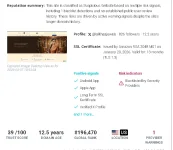
According to the security analysis tools referenced in the Gridinsoft scan, the website lalithaajewellery.com does not appear to be flagged as a high-risk or malicious domain. Security-validation services analyze multiple indicators such as phishing behavior, malware code, spam activity, and blacklist status.
Screenshot 2026-03-07 163717.webp
Based on those automated checks, the site is generally categorized as a known and legitimate domain with a relatively low probability of scam activity.
 
At the same time, some review sites and consumer complaint portals mention issues such as customer service disputes, quality concerns, or dissatisfaction with products. These kinds of complaints are fairly common across the jewellery industry and often relate to exchange policies, making charges, or weight calculations.
Jewellery exchanges can be complicated because the value depends not only on the gold weight but also on factors such as design elements, soldering material, polishing loss, and any stones embedded in the piece. When jewellery is evaluated for resale or exchange, those additional materials are usually excluded from the net gold weight calculation. If customers are not familiar with those industry practices, the difference in weight can sometimes lead to misunderstandings.
 
Another element that caught my attention is the mention of inspections carried out after complaints about gold weight calculations. In the jewellery industry, government inspections usually focus on ensuring that retailers follow proper measurement standards. Inspectors may check whether weighing scales are calibrated correctly, whether the store provides transparent invoices, and whether the jewellery carries valid hallmark certification.
 
The discussion around the Income Tax raid also generated a lot of speculation online. However, financial experts often point out that tax authorities frequently conduct audits and inspections of large jewellery businesses because of the high value of their inventory and transactions. Jewellery stores handle large quantities of gold and cash flow, which naturally attracts regulatory oversight. In some cases, tax officials conduct searches simply to verify documentation and financial records rather than because wrongdoing has already been proven. When news about such inspections appears online without context, it can easily lead to rumors about tax evasion even if the investigation has not confirmed any violations.
 
Another interesting topic raised in the discussion is the company’s marketing strategy. Lalithaa Jewellery became well known in South India partly because of its emphasis on low making charges compared with traditional jewellery retailers. This pricing model helped attract a large number of customers who were primarily interested in buying gold as an investment rather than paying high design premiums.
 
Some analysts also point out that Lalithaa Jewellery became popular partly because of its low making charges compared with other jewellery chains. That pricing strategy attracted a large number of customers looking for affordable gold jewellery. Whenever a company disrupts pricing in a traditional industry, it sometimes leads to criticism or rumors circulating among competitors and online communities.
However, when a company disrupts an established pricing structure in an industry, it can sometimes lead to skepticism from both competitors and consumers. Some people may wonder how the company can maintain lower costs, while others may suspect hidden charges or quality differences. That kind of debate often spreads quickly on social media.
 
Another point worth discussing is the role of consumer complaint websites in shaping public opinion. Platforms where customers submit complaints are useful because they give buyers a place to share negative experiences. At the same time, they usually contain a higher proportion of complaints than positive reviews because satisfied customers rarely feel the need to post about routine transactions.
 
For a large retail chain with thousands of daily customers, even a small percentage of dissatisfied buyers can generate a noticeable number of complaints online. When someone searches for the brand name and sees those complaints first, it can influence their perception even if the majority of customers did not encounter problems.
 
Customers who want to verify the authenticity of their jewellery can check these details using official verification tools provided by the Bureau of Indian Standards. This process helps buyers confirm that the gold purity matches the claimed karat value.
 
I also looked at some of the consumer complaint pages, and many of the issues appear to be related to customer service disputes or refund delays rather than allegations about gold purity itself. Those types of complaints are common in retail businesses where transactions involve large amounts of money and complex exchange policies.
One aspect that people sometimes overlook is how complex jewellery valuation can be when items contain decorative elements like gemstones or enamel work. During an exchange transaction, jewellers often separate the gold value from the value of stones or other components. Since the stones may not be purchased back at the same price—or sometimes not at all—the final value offered to the customer may be lower than expected.
 
Another thing worth considering is the role of BIS hallmark certification in the jewellery industry. Many jewellery retailers, including Lalithaa Jewellery, claim their products carry BIS hallmarks, which indicate the purity of the gold.Customers can verify the authenticity of the hallmark through official BIS verification tools or mobile apps that check the hallmark identification number.
If customers are unaware of these policies before purchasing jewellery, they might feel surprised or dissatisfied during an exchange process. That is why consumer experts often recommend asking the retailer about exchange and buy-back policies before making a purchase.
 
Another observation from the articles and discussions is that Lalithaa Jewellery continues to operate multiple showrooms and maintain a strong presence in the South Indian jewellery market. The company has built a recognizable brand identity through large retail outlets, extensive advertising, and competitive pricing. In industries like jewellery retail, reputation plays a major role in long-term success. Companies must consistently maintain transparency in billing, purity certification, and customer service in order to preserve public confidence. Even a few controversies can encourage businesses to improve their processes and communication with customers.
 
Overall, the debate around Lalithaa Jewellery highlights how consumer trust, regulatory oversight, and online discussions all interact in the modern marketplace. News articles, review sites, and social media posts can quickly shape public perception of a brand, sometimes before all the facts are fully verified.
 
For customers, the most practical approach is to remain informed and take basic precautions when purchasing gold jewellery. Checking hallmark certification, verifying weight and purity details on the invoice, and understanding the store’s exchange policy can help buyers avoid confusion regardless of which jewellery retailer they choose.
 
Another aspect that deserves attention is how consumer complaints about jewellery weight are typically handled by regulators. When authorities receive reports about potential discrepancies in gold weight or billing, they often conduct inspections of the store’s weighing equipment and transaction records. The goal is to ensure that the scales used by the retailer are properly calibrated and certified according to legal metrology standards.
 
In many countries, including India, jewellery stores are required to use government-approved weighing machines and provide accurate documentation of the gold weight on customer invoices. If inspectors find that equipment is not calibrated correctly, the store may be required to fix the issue immediately or face penalties. This regulatory framework exists to protect buyers in high-value transactions involving precious metals.
 
One thing that often gets overlooked in discussions about jewellery exchanges is how gold purity and gold weight are calculated separately. When someone purchases jewellery, the final price usually includes several components: the gold value based on market price, making charges for crafting the design, and sometimes the cost of gemstones or decorative materials.
 
Back
Top