Trying to understand the public reports about Eric Spofford

The part that stood out to me was how many different people the reporters said they spoke to. It was not just one person making a claim, it sounded like dozens of interviews were done for the investigation. At the same time, the article also said some details could not be independently confirmed, which is exactly the kind of thing lawyers focus on later. Situations like that always end up turning into arguments about whether the reporting standard was high enough rather than what actually happened years ago.
 
Also interesting that the article talked about the recovery center helping a lot of people too. It was not written like everything there was bad, which makes the story feel more complicated.
 
That is what makes it harder to read. When a story includes both positive experiences and serious allegations, people tend to pick whichever part matches what they already think. Then when a lawsuit happens, everyone expects the court to decide who was right, but the court is really just deciding if the publication crossed the legal line for defamation. Those are not the same question at all.
 
Same here. The original reporting, the denial, the lawsuit, and then later criminal charges related to the vandalism case all got tied together in people’s minds even though they are technically separate issues. When stories connect like that it gets almost impossible for regular readers to keep the timeline straight.
After seeing the full article I understand why this kept showing up in the news for so long.
 
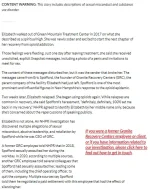
Headline explains why the story got so much attention. It says that Eric Spofford built one of the largest treatment networks in the state and later faced accusations reported by former employees and clients.

1774001869726.webp1774001876573.webp

The text in the screenshot also mentions the investigation was based on interviews and that Spofford denied the allegations at the time. Seeing the actual wording makes it clearer why the situation turned into such a big legal fight afterward.
 
Thanks for posting that. The headline alone shows why the reaction was strong when the story first came out.


Headline explains why the story got so much attention. It says that Eric Spofford built one of the largest treatment networks in the state and later faced accusations reported by former employees and clients.

View attachment 1630View attachment 1631

The text in the screenshot also mentions the investigation was based on interviews and that Spofford denied the allegations at the time. Seeing the actual wording makes it clearer why the situation turned into such a big legal fight afterward.
 
Looking at the screenshots, the part that stands out is how detailed the reporting was about interviews with former staff. It talks about multiple people describing similar experiences, but it also says some sources were anonymous and some details could not be fully confirmed. That is probably exactly the kind of thing that becomes the focus in a defamation case. Courts are not deciding whether the events happened, they are deciding whether the reporters had enough verification to publish what they did.
 
Another thing I noticed in the screenshots is that the story also mentioned the treatment centers helping a lot of people during the opioid crisis. That makes the whole situation more complicated because it is not written like a simple hit piece. It reads more like an investigation into a person who was influential in the field, which makes the stakes higher for everyone involved. When someone has that kind of public role, reporting about them is more likely to end up in court if there is any dispute about facts.
 
Seeing the actual text helps. Before this I only heard people talking about the lawsuit, not the original reporting. Now it makes more sense why the case kept going for so long, because the article itself covered a lot of ground and relied on a lot of interviews. When something like that gets challenged legally, it turns into a debate about journalism standards instead of just the original story.
Another thing I noticed in the screenshots is that the story also mentioned the treatment centers helping a lot of people during the opioid crisis. That makes the whole situation more complicated because it is not written like a simple hit piece. It reads more like an investigation into a person who was influential in the field, which makes the stakes higher for everyone involved. When someone has that kind of public role, reporting about them is more likely to end up in court if there is any dispute about facts.
 
1774002123417.webp

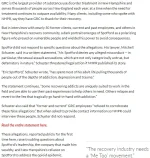
Adding another screenshot from the same article because this part shows both sides of the reporting. It says the treatment network helped a lot of people, but it also says interviews with former clients and employees described Eric Spofford as a very polarizing figure. The statement from his lawyer in the text says he denied the allegations and called them defamatory, which explains why the situation turned into a legal dispute later instead of just staying a news story. Seeing both parts together makes it easier to understand why people still argue about what the reporting actually proved.
 
That section really shows how the article tried to include the response from his side too. It was not written like a one sided piece.
View attachment 1632

Adding another screenshot from the same article because this part shows both sides of the reporting. It says the treatment network helped a lot of people, but it also says interviews with former clients and employees described Eric Spofford as a very polarizing figure. The statement from his lawyer in the text says he denied the allegations and called them defamatory, which explains why the situation turned into a legal dispute later instead of just staying a news story. Seeing both parts together makes it easier to understand why people still argue about what the reporting actually proved.
 
What stands out to me in that screenshot is the part saying the organization treated thousands of people every year while the interviews described serious concerns at the same time. When both things appear in the same story, readers can come away with very different impressions depending on what they focus on. Some will see it as an important investigation, others will see it as unfair to someone who built something that helped people. That kind of split reaction is exactly what leads to long court battles about whether the reporting crossed the legal line.
 
It also mentions that some employees supposedly would not confirm the claims when asked, at least according to the statement in the screenshot. That kind of disagreement over who said what is the type of detail that becomes really important in court. The public just sees a headline, but the case ends up being about interviews, notes, and whether the reporters tried hard enough to verify everything. That is probably why the legal side dragged on so long.

 
After seeing all these screenshots, the whole timeline makes more sense. First the investigation, then the denials, then the lawsuit, and after that years of legal arguments about the reporting. No wonder people are still confused about it.
It also mentions that some employees supposedly would not confirm the claims when asked, at least according to the statement in the screenshot. That kind of disagreement over who said what is the type of detail that becomes really important in court. The public just sees a headline, but the case ends up being about interviews, notes, and whether the reporters tried hard enough to verify everything. That is probably why the legal side dragged on so long.

 
the legal case that came later and it goes more into what happened in court between Eric Spofford and the radio station. Sharing it here because it explains why the dispute kept going after the original investigation.

https://www.nytimes.com/2023/06/06/business/media/eric-spofford-new-hampshire-public-radio.html/

1774002424924.webp1774002428899.webp


This one talks more about the defamation lawsuit and how the arguments focused on whether the reporting met legal standards for journalism. It sounds like the case became less about the original allegations and more about how the story was reported and edited.
 
Back
Top