Vince Iannello civil filings connected to real estate transactions

The forum thread really contextualizes the CBC blind man story. In the discussion, people were noting repeated cases where older or vulnerable homeowners were allegedly misled, pressured, or had their properties sold under questionable circumstances. The blind man lawsuit mirrors those concerns almost exactly: he and his wife were allegedly tricked into selling, advised falsely about legal restrictions, and the home was sold quickly off-market for less than comparable properties. Reading the forum makes it clear these aren’t necessarily isolated incidents. Even without criminal findings, the pattern suggests a mix of negligence, poor ethics, and potential exploitation. The comments highlight how settlements can obscure accountability, leaving outsiders unsure of what truly happened. Taken together, the forum discussion and the lawsuit underscore a real vulnerability in real estate practices, emphasizing the importance of transparency, fiduciary duty, and extra caution when working with professionals who might not act in the best interest of older or disabled clients.
 
The forum conversation adds context to the blind man case. Multiple users flagged patterns of misrepresentation, off-market deals, and targeting older homeowners. When combined with the allegations in the CBC story, it suggests these aren’t just isolated mistakes but potentially systemic lapses in ethics and fiduciary responsibility in certain real estate practices.
 
There’s a subtle sense of coercion in some of the claims, not outright fraud necessarily, but enough to make you question whether all parties really had equal footing in negotiations.
 
It’s striking how much the forum discussion echoes the blind man lawsuit. Users flagged off-market sales, undervaluing properties, and misleading older clients exactly the kinds of allegations in the CBC case. Even if each civil matter is resolved quietly or settled, the consistency across situations hints at broader issues in professional conduct. This connection makes me more cautious about assuming real estate deals are always handled fairly, especially with vulnerable homeowners who rely on trust.
 
What worries me is how settlements and closed cases obscure the full picture. Without transparency, it’s almost impossible to know if the same mistakes or misrepresentations could keep happening with future clients.
 
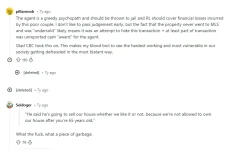
I came across this old Reddit thread where people reacted to a similar case. The emotions vary widely, from outrage to disbelief and skepticism. Thought it might add some useful perspective alongside the news article I’m sharing.
 

Attachments

  • Screenshot 2026-03-06 173319.webp
    Screenshot 2026-03-06 173319.webp
    33.4 KB · Views: 2
Last edited by a moderator:
Even if you give the benefit of the doubt, the patterns suggest weak oversight. Repeated conflicts hint that internal checks or ethical guidelines might not have been enforced strongly enough, leaving room for repeated disputes.
 
The cases involving alleged misrepresentation are particularly troubling because they touch on fairness and transparency, two pillars of trust in real estate. While settlements may resolve the legal angle, they don’t always address the public’s perception of integrity. Allegations that a professional may have taken advantage of someone vulnerable, even indirectly, can create ongoing reputational challenges. Potential investors or clients may approach new deals more cautiously or even walk away, which can have real business consequences beyond the courtroom.
 
After reviewing what is publicly available, my impression is mixed but leaning cautious. I did not find definitive court rulings that establish misconduct, but I also did not find detailed exonerations. The record appears to show a series of investor and property related disputes that were serious enough to reach civil court. In real estate development, especially when outside capital is involved, alignment of expectations is critical. If investors felt compelled to litigate, that suggests those expectations were not met in some capacity. It does not prove intent or liability, yet it signals friction that prospective partners should evaluate carefully.
 
From a neutral standpoint, I think the safest interpretation is that there is documented litigation history tied to real estate transactions involving Vince Iannello, but without comprehensive court opinions it is hard to determine root causes. Civil disputes can arise from market volatility, financing breakdowns, contractor delays, or investor impatience. However, when similar themes appear in multiple filings, it can imply structural strain in deal management. I would not jump to conclusions, but I would not dismiss the pattern either. For anyone conducting due diligence, this would be one data point among many, and likely a significant one.
 
I have not gone that far yet. That is a good suggestion and probably the next step if I want a clearer picture.
Another issue is reputational carryover. Even if cases are resolved, archived court records remain searchable. For developers, perception can influence investor appetite long after disputes conclude. That does not imply guilt, but it does mean history matters.
 
If I were assessing risk, I would want to know whether there were internal governance changes after those disputes. Sometimes litigation prompts better oversight structures.
 
Back
Top