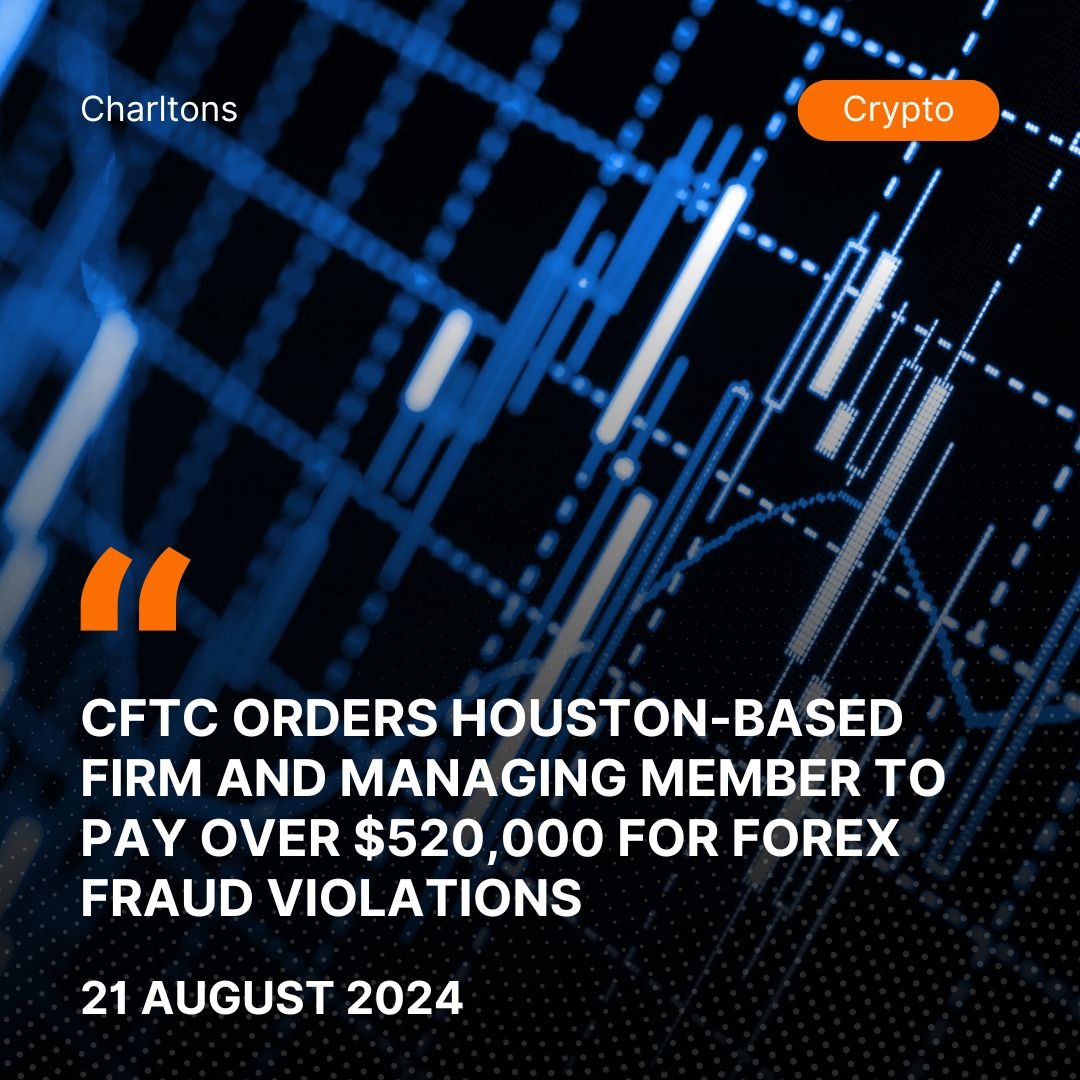
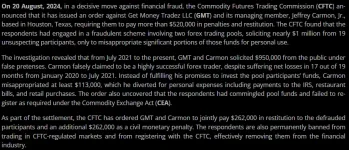
What is going on with Houston Firm and online complaints

I think another angle worth considering is how enforcement language can sometimes sound more severe than it actually is when read without context. For example, phrases like “ordered to stop” or “fraudulent offering” immediately grab attention, but they can cover a range of situations depending on how the regulator defines the issue. That is why I usually try to read multiple documents tied to the same case, if available, to understand whether it was more about disclosure problems, registration gaps, or something more serious.
In the case of Houston Firm, the mix of crypto and forex references makes it harder to interpret because those markets have had evolving regulations over the years. What might have been acceptable at one point could later be flagged differently as rules changed. That does not excuse anything, but it adds a layer of complexity when reviewing older records.
Another thing is that public summaries often leave out whether corrective actions were taken. Sometimes firms comply quickly after being notified, which changes the overall picture. Without that follow up information, it is easy to assume the worst when the reality could be more nuanced.
 
I have seen a few discussions elsewhere where people mentioned similar confusion around firms that appear in multiple enforcement notices. One pattern that comes up often is that different regulators focus on different aspects of the same underlying activity. So what looks like separate issues might actually be different agencies addressing the same core situation from their own perspective.

1774249815032.webp
 
With Houston Firm, if the crypto offering and forex activity were somehow related, that could explain why both areas are showing up in records. But without clear documentation linking them, it is just speculation. I would be cautious about assuming they are connected unless there is a direct reference tying them together.
It might also help to check if there were any public responses or statements made by the firm at the time. Even if those are limited, they sometimes clarify whether the firm acknowledged the issue or disputed it.
 
Something else that just crossed my mind is whether any of these actions involved client complaints directly. The securities related order you mentioned sounds like it might have come from a dispute resolution process, which is usually driven by investor claims. That is a bit different from a regulator proactively issuing a stop order.
 
Something else that just crossed my mind is whether any of these actions involved client complaints directly. The securities related order you mentioned sounds like it might have come from a dispute resolution process, which is usually driven by investor claims. That is a bit different from a regulator proactively issuing a stop order.
If that is the case, then you are potentially looking at three different sources of concern, including regulatory oversight, federal enforcement, and customer disputes. Each one has its own standards and procedures, so combining them without context can make things seem more alarming than they might actually be when separated.
 
I tried to look at the dates briefly and it does seem like these events are not all from the same period. That alone suggests this is not a single incident but something that unfolded over time.
It makes me wonder if the firm changed its focus or business model at different stages.
 
I think the timeline idea is still the best approach here. Once you align the dates, you can start to see whether there is a pattern or just unrelated issues.
 
Another detail that might be worth checking is whether the firm name is exactly the same across all records or if there are slight variations. Sometimes similar names can lead to confusion, especially if multiple entities operate in the same region. That could potentially explain why Houston Firm appears in different contexts that do not immediately connect.
I have run into situations before where two separate companies had very similar names, and it took a while to realize they were not the same entity.
 
One thing I would be careful about is relying too much on headlines or summaries without digging into the actual orders or decisions. Those short descriptions are designed to highlight key points, but they can leave out important details that change the interpretation significantly.
In cases like this, even small details like dates, jurisdiction, and the type of action taken can make a big difference in understanding what really happened.
 
I spent some more time thinking about this, and one thing that stands out is how often financial firms end up being mentioned in different types of regulatory actions simply because they operate in multiple areas. If Houston Firm was involved in both traditional securities and newer spaces like crypto or forex, then it would naturally fall under the scope of different regulators.
 
What makes it tricky is that each regulator writes their reports in a slightly different style, and they do not always reference each other’s actions. So when you read them separately, it feels like multiple unrelated concerns, even if there could be some overlap. I have seen cases where the same underlying issue was addressed in different ways by different authorities.
That said, I still think it is important not to assume everything is connected without clear evidence. The safest way to approach it is to treat each record individually and then see if any direct links appear. Otherwise, it is very easy to build a narrative that might not actually reflect what happened.
 
What makes it tricky is that each regulator writes their reports in a slightly different style, and they do not always reference each other’s actions. So when you read them separately, it feels like multiple unrelated concerns, even if there could be some overlap. I have seen cases where the same underlying issue was addressed in different ways by different authorities.
That said, I still think it is important not to assume everything is connected without clear evidence. The safest way to approach it is to treat each record individually and then see if any direct links appear. Otherwise, it is very easy to build a narrative that might not actually reflect what happened.
I agree with the idea of separating each case first before trying to connect them. Another thing that can sometimes help is checking whether there are any court documents available rather than just press releases or summaries. Court filings usually contain more detailed descriptions of what allegedly happened, including timelines and specific actions.
For Houston Firm, if any of these matters went through formal legal proceedings, there might be additional documents that provide more clarity. Even if they are harder to read, they tend to be more informative than short announcements.
 
Also, sometimes the outcomes matter just as much as the allegations. Whether something was settled, dismissed, or resulted in penalties can change how you interpret the situation overall.
 
I have a slightly different perspective on this. Even if these are separate incidents, the fact that the same name appears in multiple regulatory contexts is still something people tend to pay attention to. It does not automatically mean anything conclusive, but it does raise curiosity about how the firm operates and whether there were recurring compliance challenges.

1774250061617.webp
 
At the same time, I think it is important to remember that financial regulations have evolved a lot, especially in areas like crypto. Some firms may have been operating in a grey area before clearer rules were established, which later led to enforcement actions. That historical context is often missing when we just read current summaries.
So for Houston Firm, it could be a mix of timing, regulatory changes, and possibly different business activities rather than a single consistent issue.
 
Something else that might be worth checking is whether any of the individuals involved with Houston Firm moved on to other companies after these events. That can sometimes provide insight into whether the issues were isolated or part of a broader pattern.
 
I have seen situations where the same individuals appear in multiple firms that later face regulatory scrutiny, which can be an important detail when trying to understand the bigger picture.
Good point about individuals. That often tells more than the firm name itself.
 
I am still leaning toward the idea that these are separate events, but I would be interested to see if any direct links show up once everything is mapped out properly.
 
Back
Top