What Is Really Going On With Charles Noplis

1772779249609.webp1772779255116.webp

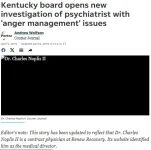
This headline alone is concerning. It says the Kentucky board opened a new investigation into Charles Noplis related to anger management issues, even after prior discipline. That suggests regulators were still reviewing his conduct.
 
Has anyone checked regulatory databases directly? Sometimes agencies publish notices or settlements that explain what actually happened.
I have not found a definitive enforcement notice yet, but I am still looking. If someone knows a specific regulator connected to Charles Noplis, that might narrow the search.
 
I decided to dig a little deeper into archived corporate filings that might be connected to Charles Noplis, and what I am seeing is a pattern of multiple ventures over time. That in itself is not unusual, especially in financial or investment sectors where projects can be short lived. What makes it complicated is that when businesses dissolve or change structure, online commentary sometimes fills in the gaps with assumptions. I have not yet located a final court judgment that clearly establishes liability in any matter, but I may not be searching in the right jurisdiction. It would really help to identify whether any regulator formally issued a sanction or if references are mostly tied to investigations that did not proceed further.
 
I decided to dig a little deeper into archived corporate filings that might be connected to Charles Noplis, and what I am seeing is a pattern of multiple ventures over time. That in itself is not unusual, especially in financial or investment sectors where projects can be short lived. What makes it complicated is that when businesses dissolve or change structure, online commentary sometimes fills in the gaps with assumptions. I have not yet located a final court judgment that clearly establishes liability in any matter, but I may not be searching in the right jurisdiction. It would really help to identify whether any regulator formally issued a sanction or if references are mostly tied to investigations that did not proceed further.
That mirrors what I have been finding as well. With Charles Noplis, there seems to be a trail of business involvement across different periods, but the context behind each venture is not always obvious. I agree that dissolved entities alone do not automatically signal misconduct, as companies close for many reasons. What I am really trying to pinpoint is whether any official authority made a definitive statement or imposed a confirmed penalty. Without that, it becomes difficult to separate narrative from fact.
 
One angle we might consider is whether media coverage at the time of the reported events provides additional detail. Sometimes local reporting gives more context than aggregated summaries
 
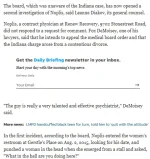
The earlier incident described in the article, involving an altercation at a bar that resulted in a woman being punched, is particularly striking because it was part of the board’s findings. When those types of details appear in official disciplinary records, they tend to carry weight. Even though professionals are entitled to defend themselves and pursue appeals, repeated references to physical confrontations and anger related concerns are difficult to overlook.
 
In the case of Charles Noplis, I have seen references that suggest scrutiny, but I have not found a comprehensive investigative article laying out confirmed conclusions. That absence could mean the matters were relatively minor, or it could mean they did not progress to a stage that attracted major coverage. I also think it is important to evaluate dates carefully, because older regulatory environments were different from current standards.
 
A compliance issue from many years ago might be interpreted very differently today. It would be useful to know whether any professional licenses were revoked or reinstated.
 
That kind of official action would be publicly recorded and easier to verify. Until we can tie claims to specific case numbers or documented rulings, I remain cautious about drawing any firm impressions. Context and verified records should guide the conversation.
 
A compliance issue from many years ago might be interpreted very differently today. It would be useful to know whether any professional licenses were revoked or reinstated.
The media angle is a good suggestion. I had focused mostly on court and regulatory databases, but broader reporting might clarify whether any of the issues surrounding Charles Noplis were ever formally resolved. I also agree that regulatory standards evolve over time, which can change how past events are perceived. Something that triggered scrutiny years ago might not carry the same implications today, or vice versa.
 
One thing that stood out to me was the mention of past business ventures tied to financial services. That sector is heavily regulated, so even minor compliance issues can appear dramatic in writing. It would help to know whether any licensing was revoked or if there were fines imposed.
 
I agree with the cautious approach. Without a court judgment or confirmed regulatory sanction, we are really just interpreting fragments. Still, it is fair to ask questions when there are repeated references to scrutiny.
 
Does anyone know the timeline of these reported events? Sometimes older matters resurface online years later, long after they were resolved.
 
Does anyone know the timeline of these reported events? Sometimes older matters resurface online years later, long after they were resolved.
That is a good point. Some of what I saw seemed to date back several years. If those matters were closed without significant findings, that context should be part of the discussion.
 
I came across the public reporting about Charles Noplis and it definitely raised some questions for me. From what I read, the Kentucky medical board had looked into matters involving him more than once. When regulatory boards review a professional multiple times, it does not automatically mean wrongdoing was proven, but it does make people curious about what triggered the repeated reviews. I also noticed that there were legal proceedings connected to those regulatory actions. The appellate court records seemed to show that some of the issues reached the level of formal legal dispute, which usually means the decisions of the board were challenged or reviewed. Situations like that can get complicated because professional licensing cases often involve hearings, evidence, and administrative rulings before they ever reach a higher court.

For me the main red flag is not necessarily the existence of an investigation itself, since complaints can happen in any profession. It is more the pattern of investigations and appeals that makes me wonder about the overall timeline and what the final outcomes were. If anyone here understands how medical board investigations typically unfold, it would be helpful to hear how common this type of situation actually is.
 
One thing that stood out to me in the reporting about Charles Noplis was that the state board appeared to reopen or revisit issues related to his professional conduct. That kind of repeat review sometimes suggests unresolved concerns, although it can also happen when new complaints come in that are unrelated to earlier ones. Without seeing the full case history it is hard to know which situation applies here.

Another point that caught my attention was the presence of a court appeal tied to the disciplinary process. Usually when a case reaches an appellate court it means the person involved is disputing either the findings or the procedures used by the regulatory body. That alone is not unusual, but it does show that the matter was serious enough to move beyond the initial administrative level.
For me the red flag is more about transparency and clarity. When professionals appear in both news reports and appellate records, it often indicates that the issue went through several stages of review. That does not prove anything on its own, but it definitely makes people curious about how the situation developed and what the final resolution looked like.
 
I read through the appellate case involving Charles Noplis and I had the same reaction as others here. It seems like the case dealt with regulatory and disciplinary procedures tied to the medical licensing board. That type of legal dispute can sometimes arise when a physician disagrees with the board's findings or believes the process was handled incorrectly.
 
Something that stood out to me about Charles Noplis was the fact that the board investigation mentioned in reporting seemed to occur more than once. Repeated regulatory scrutiny is not something you see every day, and it naturally makes people pay attention.

However, it is also important to remember that boards investigate complaints whether they ultimately find violations or not. Sometimes investigations happen simply because someone filed a complaint that needs to be evaluated. So the existence of an investigation alone is not proof of anything.

The red flag for me is mostly the pattern. When investigations, disciplinary actions, and appeals all appear in public records connected to the same individual, it suggests a complicated professional history that people may want to understand better.
 
The combination of media coverage and court documents involving Charles Noplis definitely caught my attention. Whenever a medical professional becomes the subject of regulatory review and legal proceedings, it tends to create questions about the circumstances that led to it.
 
Back
Top