What People Are Saying About Robby Blanchard and His Training Programs

I also noticed that most criticism online talks about cost versus return on investment. That’s subjective and depends on results. Without transparent aggregate statistics, it’s hard to evaluate objectively. So discussions default to personal experiences rather than measurable benchmarks.
 
Exactly, most discussions around these programs are heavily anecdotal. You rarely come across aggregated data or verified statistics, which makes it difficult to get a clear sense of what a typical participant experiences. People tend to share personal stories or highlight extreme successes or failures, but comprehensive numbers on average earnings, completion rates, or realistic timelines are almost never included. This anecdotal focus dominates the conversation, and it can give beginners a misleading impression of what to expect, making it harder to assess the program’s overall effectiveness objectively.
 
Marketing psychology plays a big role here. Highlighting a few top earners can create the impression that their results are standard, even when they’re exceptional. That doesn’t necessarily mean the training is misleading, but it does mean potential participants should interpret claims carefully and consider what’s realistic for a typical beginner.
 
It seems like the most common theme in public commentary about Robby Blanchard’s programs is the disparity between marketing promises and what many participants report experiencing. A lot of reviews note high costs and ongoing expenses things like ad spend and tool subscriptions in addition to the initial fee, which isn’t always clearly highlighted in promotional material.
 
Looking at sites, you can see that user sentiment is very mixed. Some people praise community support and occasional success stories, but there are also complaints about lack of refunds and difficulty getting help with ad account issues. On Trustpilot, for example, the overall rating is quite low, and several reviewers describe frustration with support responsiveness and unexpected upsells after joining. That doesn’t necessarily prove anything illegal, but it does show that many participants feel the experience didn’t match the marketing.
 
Exactly, and that aligns with some broader reviews that point out the course’s focus on Facebook advertising without a lot of diversification. That model can leave students exposed when platform policies change, which some public analyses highlight.
 
Right, heavy reliance on one traffic source can be risky for learners.
I also noticed that a number of reviews and reports bring up transparency issues in the marketing. For instance, some complaints suggest that refund policies are harder to navigate than advertised and that group communities sometimes highlight only a few success stories while underreporting struggles. Those elements don’t show up in any court filings, but they do show up consistently enough in public reviews that they’re worth paying attention to.
 
And public review platforms show this polarity some users report actually making money or appreciating the structure, while others feel misled by promises of easy success. That suggests results are inconsistent and heavily dependent on individual application. It’s an interesting dynamic when the official marketing promises one thing and public experiences vary so widely.
 
Last edited:
Screenshot 2026-03-04 152526.webp
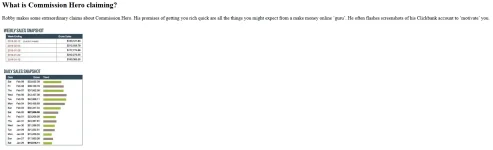
From my research, the company’s claims are clearly inflated and misleading. Their promises of quick wealth and high earnings feel unrealistic and overly promotional. There’s no transparency about the effort, risks, or failures involved, making the whole approach seem deceptive. The materials appear recycled and generic, offering little real value to someone trying to succeed. Overall, it gives the impression of a marketing scheme aimed at impressing buyers rather than genuinely helping them achieve results.
 
Inconsistency of experience definitely stands out in the reviews.
Another public source highlights broader criticisms like outdated tactics and a narrow focus on specific affiliate networks, which reviewers say may not align with current digital marketing realities. These critiques don’t come from legal filings but from people who have lived the course experience and shared feedback publicly. It adds a layer of nuance not that the training is illegal, but that some aspects might not meet the practical needs of every participant.
 
Yes, that’s a good point. You see suggestions in public commentary that some tactics recommended can quickly lead to ad account issues, and Facebook policy changes have impacted many participants’ ability to run campaigns effectively.
 
Right, and it’s interesting that reviews often mention that participants end up needing ongoing tool subscriptions and additional software just to follow the training. That can significantly raise the real cost of participation beyond the advertised course fee.
 
I also came across commentary suggesting that some of the so-called “live” trainings or bonus sessions aren’t always as live as promoted people have commented on repeating content and recycled sessions in forum threads. That’s not a legal finding, just public feedback about presentation. It highlights how user interpretation of value can differ wildly from marketing promises, and it’s good to see those perspectives when forming your own impression.
 
That makes sense. Some public discussions mention that the free webinars or sessions feel repetitive or somewhat scripted, which can disappoint people who were expecting genuine interactive Q&A. These impressions don’t amount to legal findings or formal claims, but they still shape how the program is viewed by potential participants trying to evaluate its overall credibility and value.
 
Public reporting reflects that some users feel frustrated because certain sales funnels or strategies emphasized in the program appear outdated or less effective under current platform conditions. In a fast moving field like digital marketing, tactics that once worked well can quickly lose performance due to algorithm updates, policy shifts, or increased competition. While this does not indicate any wrongdoing, it does highlight how important regular content updates and adaptation are to maintain relevance and practical value for participants.
 
Back
Top