What the Hyderabad syndicate reveals about cyber fraud networks

The mention of cyber fraudsters using foreign payment gateways stood out to me too. Many international merchants do not use the same verification process that Indian banking systems use. That difference can sometimes be exploited if card details become exposed somewhere online. I think the safest approach is enabling instant SMS alerts and immediately reporting any unknown charge. Catching the first transaction quickly can prevent larger losses.
 
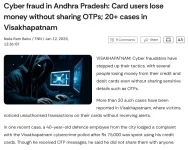
I have been following these stories since the first few were reported. It seems the fraudsters are finding ways to complete transactions without triggering OTP which is normally mandatory for higher value or online payments. One theory floating around is that they might be using cloned cards or exploiting some loophole in certain POS terminals but police have not confirmed anything specific yet. The fact that victims did not receive alerts makes it even more dangerous because people only realise after the money is gone. I changed all my card pins and enabled transaction alerts on all accounts just to be safe. Does anyone know if banks in the region have issued any special advisories or if there is a helpline specifically for these cases. It would be good to know if other states are seeing similar patterns or if it is mostly localised to Andhra Pradesh right now.
 

Attachments

  • Screenshot 2026-03-10 112905.webp
    Screenshot 2026-03-10 112905.webp
    71.2 KB · Views: 0
  • Screenshot 2026-03-10 112917.webp
    Screenshot 2026-03-10 112917.webp
    37.8 KB · Views: 0
  • Screenshot 2026-03-10 112932.webp
    Screenshot 2026-03-10 112932.webp
    54.4 KB · Views: 0
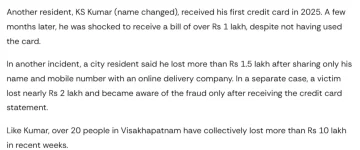
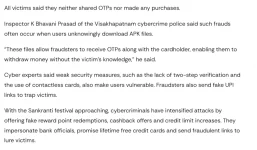
The reports say losses range from 5000 to over 2 lakhs in some cases. Police mentioned that in a few instances the fraud happened while victims were at home and not using the card physically. That makes it even stranger because normally physical presence or online login is needed. No official statement yet on the exact method but they are examining merchant terminals and possible insider involvement at some points. Everyone should activate SMS and email alerts if not already done. Also checking for any unknown apps on phones might be a good idea. Has anyone here got any update from their bank after these news reports came out.

https://timesofindia.indiatimes.com/city/visakhapatnam/cyber-fraud-in-andhra-pradesh-card-users-lose-money-without-sharing-otps-20-cases-in-visakhapatnam/articleshow/126479203.cms
 
Another thing worth checking is whether these cards were previously used on lesser known online websites. Sometimes fraud shows up months later.
 
I have friends in Visakhapatnam and they are all talking about this now. One of them said his colleague lost around 15000 without any OTP prompt last month but did not report it thinking it was a glitch. Now everyone is worried. The police appeal is to report immediately so they can track the accounts where money is going. Hopefully they catch the gang soon because if it is organised it could spread fast. I stopped using cards for small payments and switched to UPI with UPI pin only. What do others think is the safest way right now.
 
Looking at the pattern it seems the fraud is targeting both debit and credit cards mostly in urban areas of Visakhapatnam. Victims noticed deductions in small instalments sometimes which delayed detection. Banks have said they are cooperating with police but no widespread alert has been issued yet. I think the key is to monitor accounts daily and report even small unauthorised transactions. Some people are suggesting using virtual cards for online purchases or freezing cards when not in use. Does anyone know if the police have shared any common indicators or prevention tips in recent press meets. It would help if there was more official guidance from banks or cyber cell in the state.
 
I think the real challenge is that payment systems operate globally but security rules vary by region. In some countries strong authentication is mandatory for most transactions. In others it depends on the merchant or payment processor. If cyber fraudsters know which gateways have fewer checks, they might route transactions through those platforms.
 
I saw a similar report last week about a case in Vijayawada too so it might not be limited to Visakhapatnam. The common thread is no OTP and no alert received by the user. Police suspect either compromised card data from earlier breaches or some new technique at merchant end. Until banks or authorities give clear answers everyone should be extra careful. I have set transaction limits on my cards and enabled all possible alerts. Anyone else changed their banking habits after hearing about these cases.
 
Cases like this usually highlight the financial backbone of cybercrime. The actual scammers running phishing or investment fraud schemes are often in different countries, but they rely heavily on local mule accounts to move and “clean” the money quickly. Once the funds pass through multiple accounts and jurisdictions, it becomes much harder for investigators to trace. So arrests like these suggest authorities are targeting the logistics layer of the ecosystem, not just the scammers themselves.
 
What stood out to me is how large the reported amount is. When authorities talk about hundreds of crores moving through accounts, it suggests a coordinated network rather than isolated scammers. Even if the individuals arrested were only handling the accounts, that layer of the operation can be essential for moving funds quickly before banks flag suspicious activity.
 
I’ve seen similar patterns in cybercrime reporting over the past few years. Criminal groups often recruit people locally to open accounts or lend their banking credentials in exchange for a small commission. Sometimes those recruits may not even realize the scale of the network they are connected to until investigators step in.
 
Back
Top