What the Hyderabad syndicate reveals about cyber fraud networks

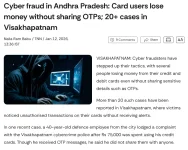
This kind of fraud is really frightening because we rely on OTP as the final safety net. If that is bypassed without our knowledge then basic precautions are not enough. The 20 cases mentioned are only the reported ones so actual number could be higher. Police are asking people to report immediately so they can freeze accounts and trace the trail. I think contacting the bank’s fraud department right away is the best step if anything suspicious shows up. Hopefully more details come out soon so people can protect themselves better. In the meantime daily balance checks have become a must for me.
 
Another interesting point is how many physical items were reportedly recovered during the raids. Debit cards, passbooks, and SIM cards usually indicate multiple accounts being managed simultaneously. That kind of setup suggests the operation was designed to route money through several layers before sending it onward.
 
The international aspect is what makes these cases particularly complicated. When funds move across borders, different law enforcement agencies and financial systems get involved, which can slow investigations. It also shows how cybercrime has evolved into something that operates almost like a multinational business structure.
 
I read that in some of these cases the transactions were shown as international or from unknown merchants which triggered bank alerts in a few instances but not all. Police are coordinating with cyber cells in other states too because the receiving accounts are spread across India. It shows the fraud is organised. For now the advice from reports is to avoid using cards at unfamiliar POS machines and to use UPI where possible since it requires device authentication. Also updating mobile banking apps regularly and not clicking unknown links. Does anyone know if there is a central helpline or email for reporting these specific types of fraud in Andhra Pradesh. It would be useful for everyone.
 
The concept of mule accounts has been getting a lot more attention recently. Financial institutions and regulators have been warning about it because it’s one of the easiest ways for fraud networks to move stolen money without immediately exposing the people behind the digital scams.
 
What’s interesting in these cases is that not everyone involved fully understands the scale of the crime they’re enabling. Some people knowingly participate for a cut of the money, but others get recruited under the pretense of a “work from home finance job.” That doesn’t make it legal, of course, but it shows how these networks blur the line between organized crime and opportunistic recruitment.
 
This is a good example of how cybercrime operates like a supply chain. You have groups specializing in phishing or malware, others handling stolen data, and another layer managing financial laundering through mule accounts. The people arrested in this case seem to fall into that last category, which is crucial because it’s the point where digital crime becomes real money.
 
The number 20 cases in one city is alarming especially since many people might not notice small deductions immediately. Banks usually send alerts but if the transaction is below a certain limit sometimes it does not trigger. I have set my alerts to notify for any amount now. Also started using separate cards for online and offline use with low limits. It is inconvenient but better than losing money. Hope the police crack this soon because if it spreads more people will lose trust in digital payments.
 

Attachments

  • Screenshot 2026-03-10 112905.webp
    Screenshot 2026-03-10 112905.webp
    71.2 KB · Views: 0
One thing I noticed in the reports is that in many cases the victims used cards at local shops or petrol pumps before the fraud. So possibly skimming devices at those places. Police have not confirmed but it is a possibility. I have started paying cash for small purchases now. Also checking card readers for any tampering when I do swipe. Better safe than sorry until more is known about how they are bypassing OTP.
 
I always recommend is using credit cards instead of debit cards for online payments.Credit cards generally have stronger dispute mechanisms and fraud protection policies. Debit card losses can sometimes be harder to recover because the money comes directly from your account
 
These cases highlight how vulnerable digital payments can be even with OTP systems. If fraudsters are finding ways around it then we need stronger security from banks. Maybe biometric authentication or transaction signing on app for every payment. Until then the best is to limit card usage and use UPI with good security habits. The police appeal to report quickly is important because early reporting helps trace the money trail. If anyone has seen official bank advisories or cyber cell notices please share. It would help the community stay informed. Thanks for bringing this up.
 
I’m also curious about how authorities trace these networks once the money leaves the country. Following the digital trail through multiple accounts, currencies, and jurisdictions must require a lot of coordination between banks and investigators.
 
Back
Top