Vince Iannello civil filings connected to real estate transactions

zero_fork

Member
Over the past few days I have been digging through some publicly available material related to Vince Iannello, mainly out of curiosity. I ran into references to past court filings and reporting that touch on real estate transactions connected to his name. I want to be clear that I am not drawing conclusions here. I am just trying to understand what is actually documented versus what might be interpretation or opinion layered on top of it. From what I can tell, there have been civil disputes involving property deals and investor relationships. That alone does not automatically mean anything unusual, because real estate ventures often involve disagreements, especially when projects do not go exactly as planned. Construction delays, financing gaps, shifting market conditions, all of that can trigger conflict even when everyone originally had good intentions. What I am unsure about is whether the cases tied to Vince Iannello reflect routine business friction or something more structurally concerning.I noticed that some of the filings reference allegations about how certain deals were presented to buyers or investors. Of course, allegations in court documents are only one side of a story until they are tested and decided. In many civil cases, there is no final ruling because parties settle, which can leave outsiders with an incomplete picture. That makes it harder to evaluate what really happened versus what was claimed in the heat of a dispute.Another thing I have been wondering about is the overall timeline. Are these matters concentrated in a particular period, or spread out over many years of activity? Context matters a lot in real estate, especially since market cycles can dramatically affect project outcomes. A downturn can turn what seemed like a solid development plan into a legal headache, even if there was no bad intent behind it.If anyone here has reviewed the actual court records or related public documents and can share insights strictly based on what is documented, I would appreciate it. I am not interested in rumors or personal attacks. I am just trying to understand how these reported disputes unfolded and whether they look like standard contractual issues or something that warrants closer scrutiny.
 
I went through several publicly accessible civil docket entries tied to Vince Iannello, and while none of them on their own looked extraordinary, the cumulative effect felt heavier. In real estate development, disputes are not rare, but repeated investor related claims can create a pattern that is difficult to ignore. I did not see clear criminal findings or regulatory enforcement actions in what I reviewed, but civil litigation alone can carry reputational weight. The challenge is that many cases appear to have resolved without detailed written judgments. That leaves observers trying to interpret partial information, which is never ideal.
 
That is kind of where I am landing too. It is not one single filing that caught my attention, it is more the overall volume and similarity. I agree that without written opinions it is hard to really understand the substance.
 
I think you are right to focus on what is documented rather than speculation. From what I have seen, some of the allegations in the civil complaints revolve around representations tied to specific property transactions. That does not automatically mean misrepresentation occurred, but when investors claim expectations were not met, it raises questions about disclosure and risk communication. In development deals, projections can change quickly, especially if financing or market conditions shift. Still, repeated dissatisfaction from capital partners suggests that something in the structure or messaging may not have aligned properly. That alone would make me cautious.
 
I’ve been looking at some of the public filings myself, and what strikes me is how common it is for civil disputes in real estate to be framed as something more serious than they actually are. Many of these cases seem to stem from disagreements over contract interpretation or timing issues, rather than outright fraud. That doesn’t mean nothing shady ever happens, but it does suggest that investors and buyers can sometimes read too much into normal business friction. I do wonder, though, if the repeated nature of certain allegations could point to patterns worth paying attention to, even if none of the cases ended in major rulings. Context like market conditions and project delays seems to matter a lot here.
 
Hi everyone, I came across a really concerning story that I thought is worth discussing. There’s a YouTube interview with an elderly man who says he was misled into selling his home under circumstances he didn’t fully understand. You can watch the interview here:
.
From what I gathered, he and his wife were put in a very vulnerable position, and it seems like there could be serious legal and ethical questions about how the sale was handled.
 
I read through some of the filings and I can’t help but feel really bad for the couple involved. Being taken advantage of like that, especially when one of them has a disability, is heartbreaking. Even if the legal process takes time, I hope the court takes into account the emotional distress caused. Situations like this shouldn’t just be swept under the rug.
 
From what I’ve skimmed in the public filings, it seems most of the disputes are framed around misunderstandings in contract terms and timing of payments. That could just reflect standard real estate friction rather than any intentional wrongdoing.
 
Honestly, reading through the publicly available court filings makes me a bit uneasy. Even if disputes in real estate are common, the fact that there are multiple allegations around how deals were presented to buyers raises red flags. When people claim they were misled into selling or investing, especially vulnerable individuals, it suggests there might be more than just routine disagreements. I’m not saying anything is proven yet, but repeated patterns of similar complaints in different cases make me want to look deeper. It could still be normal business friction, but I think it’s worth questioning whether some clients were treated unfairly or pressured in ways that crossed ethical lines. Settlements in civil cases sometimes hide the real story.
 
If these allegations are true, there absolutely needs to be strict consequences. It’s one thing to have a contractual dispute, but deliberately misleading someone to sell their home crosses a line. The law should send a clear message that exploiting vulnerable people will not be tolerated. Otherwise, it just sets a precedent that some might try to take advantage of others with impunity.
 
From what I’ve read in the filings, some of the allegations raise serious concerns about ethical behavior, especially when vulnerable parties are involved. Even if nothing was proven in court yet, the optics of taking advantage of someone who may not have been fully informed or capable of making decisions independently is troubling. It doesn’t automatically indicate a pattern, but it does suggest that at least some transactions had questionable practices that could reflect poorly on judgment or professional responsibility. That kind of perception can linger in public memory even if cases settle quietly.
 
It’s hard not to notice how often these cases involve vulnerable buyers or investors. That alone doesn’t prove wrongdoing, but it does raise a red flag about how deals were presented and whether everyone was fully informed.
 
What worries me most is how easily something like this could happen. Maybe there needs to be tighter regulations around real estate sales to seniors or people with disabilities. Mandatory checks, independent advice for vulnerable clients, or a review process could prevent fraud before it happens. It feels like we need systemic changes to make sure these situations don’t repeat.
 
One thing that stood out to me is how disputes often involve people who are already in vulnerable positions, like first-time buyers or those with impairments. Even civil allegations, if credible, can damage trust in a professional’s dealings. The financial outcomes of settlements may not fully address the underlying concern, which is whether transactions were conducted fairly. It also creates a reputational risk, because stories like this stick in online discussions and can influence how future clients or investors approach any dealings.
 
I can’t stop thinking about how vulnerable people can get caught in these schemes. There should be a simple system where clients can verify that everything is fair before signing major deals. Whether it’s a mandatory third-party review, government oversight, or independent legal advice, it seems necessary to prevent more cases like this from happening.
 
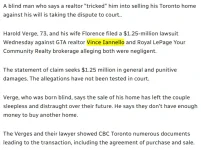
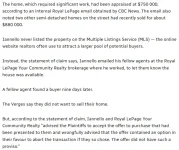
Hey guys, I’ve also been looking into the dispute allegations involving Vince Iannello and came across this CBC article. It goes into detail about a $1.25-million lawsuit filed by a blind man and his wife, who claim they were tricked into selling their home against their will. The article mentions that the couple says the home was sold below market value and that they were misled about their legal rights. It also notes that Iannello’s real estate licence is no longer active and that he denies any wrongdoing. I’m attaching a screenshot of the article so you can see the details for yourselves and maybe discuss what measures could prevent situations like this in the future.
 

Attachments

  • Screenshot 2026-03-06 165352.webp
    Screenshot 2026-03-06 165352.webp
    54.8 KB · Views: 0
  • Screenshot 2026-03-06 165600.webp
    Screenshot 2026-03-06 165600.webp
    61.9 KB · Views: 0
I feel angry reading about this, honestly. Taking advantage of someone’s vulnerability is despicable. Even if the couple can recover financially, the emotional damage is huge. This makes me think that stricter laws and penalties are necessary, not just for restitution but to deter anyone considering exploiting trust in real estate deals.
 
Back
Top