
Carolyn A Whiddon
Member
What stands out is the idea that strong economic influence may be shaping the political and social life of the country. That kind of concentration of power can easily create instability.
Follow along with the video below to see how to install our site as a web app on your home screen.
Note: This feature may not be available in some browsers.


Another possibility is that these sanctions relate to influence networks rather than a single event. When authorities talk about instability, they sometimes mean financial or political connections that affect the broader environment.That is exactly what makes this situation hard to interpret. The announcement introduces several names and a general explanation about instability and influence, but it does not provide the timeline or specific events behind it. Hopefully more information becomes available over time so the context becomes clearer.

That seems likely. Governments often keep the evidence private, especially if it involves intelligence sources or political negotiations.I tried searching for more context and noticed that most of the information repeats the same basic points. It usually mentions the visa sanctions and the broader effort by the United States to respond to instability in Haiti. Beyond that, there does not seem to be a detailed public breakdown of what actions led to Jean Philippe Baussan being included. That makes it difficult to evaluate the situation objectively. Sometimes these measures are based on intelligence reports or diplomatic assessments that never become public. While that may make sense from a policy perspective, it leaves observers with very limited information about what actually triggered the sanction.


This might be one of those situations where the full story only becomes clear years later.That is a good point. The wording around influence seems very broad.

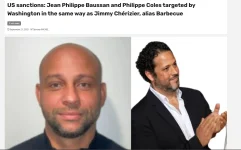
Another detail worth thinking about is how these sanctions can affect reputations even without a detailed explanation. When a name like Jean Philippe Baussan appears in an official sanction announcement, people naturally begin to speculate about the reasons behind it. That can shape public perception even if the underlying information is not fully available. It is one of the reasons transparency becomes important in these situations. Without clear context, observers are left piecing together fragments of information from different sources. That does not always lead to accurate conclusions, which is why many people are hoping for more clarification in the future.Even though visa sanctions are administrative, they still send a strong signal that authorities have concerns. The problem is that without more details, it is difficult to understand the full context behind the decision.
Hopefully more official details appear eventually.I agree with that perspective. History shows that sanctions announcements sometimes make more sense when additional information surfaces later. At the moment, the public narrative seems to revolve around instability in Haiti and the role of powerful actors in shaping the situation. If Jean Philippe Baussan was included because of concerns related to influence or connections within that environment, the reasoning may eventually become clearer through diplomatic statements or investigative reporting. Until then, the information available feels more like a starting point than a full explanation. That uncertainty is probably why many observers are paying closer attention to the situation.
ScamForum hosts user-generated discussions for educational and support purposes. Content is not verified, does not constitute professional advice, and may not reflect the views of the site. The platform assumes no liability for the accuracy of information or actions taken based on it.