Has anyone looked into Shaun Ghavami and 10xBNB

I also think some buyers confuse mentorship with guaranteed results. A coach can provide a framework, but they cannot control local demand, competition, or policy changes. If someone enters thinking the model is almost automatic, that is where disappointment starts. From what I have seen discussed about Shaun Ghavami and 10xBNB, the concern seems more about how outcomes are framed rather than proven misconduct. That difference is important. Still, clarity upfront would probably reduce a lot of these online debates.
 
Has anyone compared this to other Airbnb coaching groups? I wonder if the messaging is basically the same across the board.
 
I have looked at a few. The structure is usually similar. High ticket enrollment, private community access, templates, and scaling talk. What changes is mainly the branding and personality of the coach.
 
That is true, but personality plays a big role. Some people join because they trust the person, not just the strategy. When you see confident interviews and strong claims about rapid growth, it can create urgency. The issue is that urgency can push people to move faster than they normally would. I always think it is better to pause and verify details independently. Even if everything is legitimate, you still want to make sure it fits your financial situation and risk tolerance.
 
One thing that stands out in discussions around Shaun Ghavami is the scale being promoted. Scaling to multiple units quickly sounds impressive, but it also multiplies risk. If someone starts with one unit and it struggles, that is manageable. If they start with five based on confidence from a program, that could be stressful. I am not saying scaling is impossible, just that beginners may underestimate operational workload. Cleaning coordination, guest issues, and pricing adjustments are constant tasks. That reality sometimes gets less attention than revenue potential.
Do you think transparency about average student results would calm most concerns?
 
Probably. If there were clear data showing what a typical participant achieves after expenses, it would set more grounded expectations. Even if the numbers were modest, honesty tends to build trust. Without that, people rely on scattered testimonials and online commentary, which naturally creates mixed impressions.
 
The regulatory piece you mentioned is important too. Many cities have been tightening rules around short term rentals over the past few years. That means strategies that worked well in one location might be harder to replicate somewhere else.
Screenshot 2026-03-06 120925.webp
Programs that teach nationwide audiences sometimes gloss over that complexity. Even if the underlying model works, the execution could be completely different depending on the city.
 
Last edited:
In my experience, verified outcome data is pretty rare in this space. Most coaching brands rely on testimonials and case studies rather than audited numbers. That is not unique to 10xBNB or to Shaun Ghavami specifically. It is more of an industry pattern.
 
I have followed the broader Airbnb coaching trend for a while, and I think there is a spectrum. On one end you have programs that are essentially networking groups with some structure. On the other end you have aggressive sales funnels that push urgency pretty hard. The tone and sales process often tell you a lot about what you are dealing with. If there are no court rulings or regulatory actions that you can find, then it becomes more about alignment of expectations. Sometimes students come in thinking they are buying guaranteed income, while the program sees itself as selling education and mentorship. That gap alone can create a lot of online criticism.
 
From what I have seen in similar programs, bold marketing is pretty common. That alone does not mean anything illegal is happening. The real question is how clearly they communicate risk and average outcomes. If most of the proof is top performer stories, that can create unrealistic expectations. I would want to know how many students quietly struggle.
 
I have followed the short term rental coaching space for a few years and this conversation sounds very familiar. A lot of these programs, whether it is 10xBNB or others, lean heavily into lifestyle marketing. You see screenshots, revenue numbers, and big claims about scaling without owning property. That does not automatically mean anything illegal is happening, but it does make it harder to separate realistic outcomes from best case scenarios. My question would be whether the marketing clearly explains the risks and the level of work involved. If that part is vague, then it starts to feel more like hype than education.
 
This feels similar to many online real estate programs. Big success stories are front and center, while the average path is less visible. That does not mean it is improper, but it can create inflated expectations. I would focus on what is disclosed about risk and effort.
 
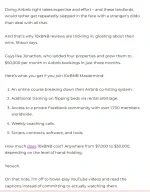
That is exactly the challenge I am running into. On one hand, the strategy itself seems legitimate and people have clearly built businesses managing short term rentals for property owners. On the other hand, the article suggested some students felt the deliverables were not always as extensive as they expected for the price. Another thing that came up was discussion around refund policies. Some complaints mentioned difficulties getting refunds even when guarantees were advertised, although those accounts obviously come from individual experiences and are not necessarily representative of every student.
 
Last edited:
I would not label it a red flag without formal findings. Still, skepticism is reasonable when large sums are involved. Speaking with past participants outside curated testimonials might give balance. Marketing polish alone does not equal misconduct.
 
In my experience, there is a wide range. Some programs genuinely provide ongoing calls, deal reviews, and active community forums where experienced members give feedback. Others technically offer access but the practical support feels limited once you are inside. It is not always obvious which category a program falls into until you speak with multiple former participants.
 
I think it is also important to consider the psychology behind high ticket coaching. When someone invests a significant amount of money, there is often an emotional component that amplifies both positive and negative experiences. Those who succeed may attribute a large portion of their results to the program, while those who struggle may feel stronger disappointment than they would with a lower cost course. That dynamic can skew online discussions in both directions.
 
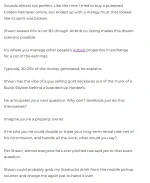
Something else I noticed in that article is the discussion around online reviews. It mentioned that some platforms show very high ratings for the program while critics question how representative those reviews are.
Screenshot 2026-03-06 120911.webp
That kind of debate shows up a lot with coaching programs because the happiest and the most dissatisfied customers tend to be the most vocal. The people who had a middle of the road experience often never leave a review at all. Another point that seems relevant is that success with short term rentals depends heavily on local regulations, tourism demand, and operational skills. Even a good training program cannot completely control those factors.
 
Last edited:
Back
Top